Skin Health
What Stress Really Does to Your Skin
Stress can show up on your skin through breakouts, dullness, sensitivity, and flare-ups. Learn how stress impacts your skin and how to care for it during stressful periods.
Introduction
Stress is a normal part of life, but when it becomes ongoing, it can begin to affect more than just your mood and energy levels. Your skin can also respond to stress, often through breakouts, irritation, dryness, dullness, or flare-ups of existing skin conditions.
The connection between your mind and skin is real. When your body is under pressure, your skin can become more reactive, slower to heal, and more prone to imbalance. Understanding this link can help you care for your skin more gently and effectively during stressful times.
The Connection Between Stress and Skin
When you are stressed, your body releases cortisol, commonly known as the stress hormone. When cortisol levels stay elevated, it can affect the skin in several ways.
Stress may:
Increase oil production
Trigger inflammation
Slow the skin’s natural healing process
Weaken the skin barrier
Make the skin more sensitive and reactive
This can lead to acne, redness, dryness, irritation, or worsening of skin conditions that are already present.
Common Skin Concerns Linked to Stress
Stress affects everyone differently, but there are several skin changes that commonly appear during stressful periods.
Acne Breakouts
Increased oil production and inflammation can contribute to clogged pores and breakouts. This is why some people notice more pimples during busy, emotional, or high-pressure periods.
Eczema and Psoriasis Flare-Ups
Stress can trigger or worsen inflammatory skin conditions. For individuals with eczema, psoriasis, or similar concerns, flare-ups may become more frequent or more difficult to manage during stressful times.
Dull and Tired-Looking Skin
Stress can affect sleep, hydration, and overall skin recovery. When the skin does not have enough time to repair, it may appear dull, tired, or less radiant.
Increased Sensitivity
A weakened skin barrier can make the skin more reactive to skincare products, weather changes, and environmental factors. Products that your skin usually tolerates may suddenly feel irritating.
How to Support Your Skin During Stressful Times
While it is not always possible to remove stress completely, supporting your skin and body can help reduce its visible effects.
Keep Your Skincare Routine Gentle
During stressful periods, it is best to avoid overwhelming your skin. Stick to simple, calming products and avoid overusing active ingredients such as exfoliating acids or strong retinoids.
Prioritise Sleep
Quality sleep allows the skin to repair and recover. A consistent sleep routine can help reduce inflammation and support a healthier complexion.
Stay Hydrated
Hydration helps support the skin barrier and maintain skin comfort. Drinking enough water and using hydrating skincare can help reduce dryness and sensitivity.
Practise Stress-Relief Habits
Simple daily habits such as walking, exercise, breathing exercises, meditation, stretching, or taking short breaks can help lower stress levels and support overall wellbeing.
When to Seek Professional Advice
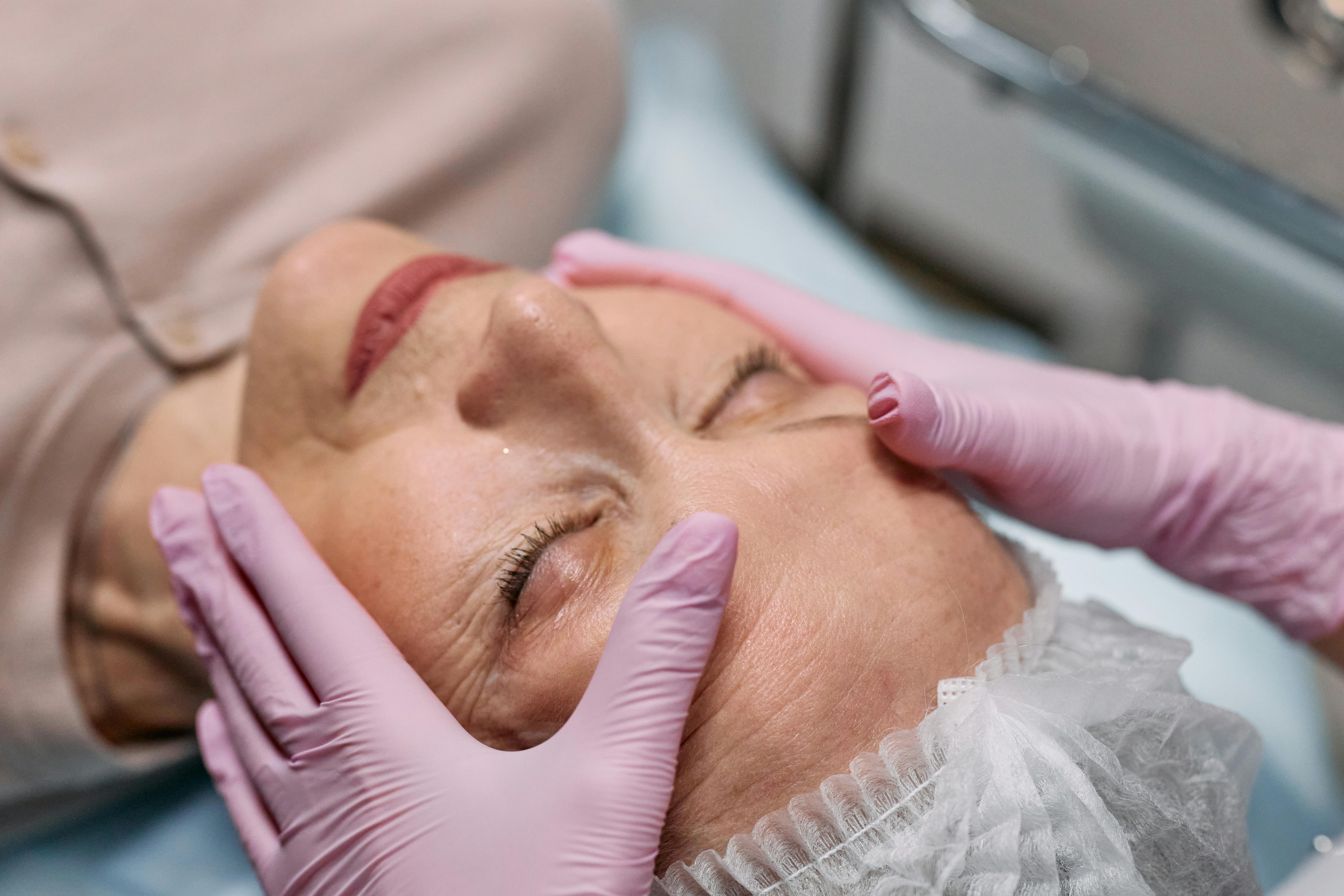
If stress-related skin concerns become persistent, painful, or difficult to manage, professional support can help.
A dermatologist or skin professional can assess your skin, adjust your treatment plan, recommend calming ingredients, provide targeted therapies, and help prevent long-term irritation or skin damage.
Final Thoughts
Your skin often reflects what is happening inside your body. Chronic stress can disrupt your skin’s balance, but gentle care, healthy habits, and the right professional guidance can help protect your skin’s strength and resilience.
Caring for your stress levels is not only important for your mental wellbeing. It is also an important part of maintaining clear, calm, and healthy-looking skin.
Read tips, insights, and stories.