Skin Health
Are Laser Treatments Right for Your Skin? A Guide to Clearer, Smoother Skin
Laser treatments can help improve pigmentation, acne scars, skin texture, fine lines, and overall radiance. Here’s what to know before deciding if laser is the right option for your skin.
Introduction
Laser treatments have become one of the most trusted and effective options in modern dermatology and aesthetic skin care. Whether you are looking to reduce pigmentation, soften acne scars, improve texture, or refresh dull skin, laser technology offers targeted treatment with minimal downtime for many skin concerns.
With advancements in skin technology, treatments are now more precise, customizable, and suitable for a wide range of skin goals. However, understanding how laser works and whether it is suitable for your skin type is an important first step before beginning treatment.
What are laser treatments?
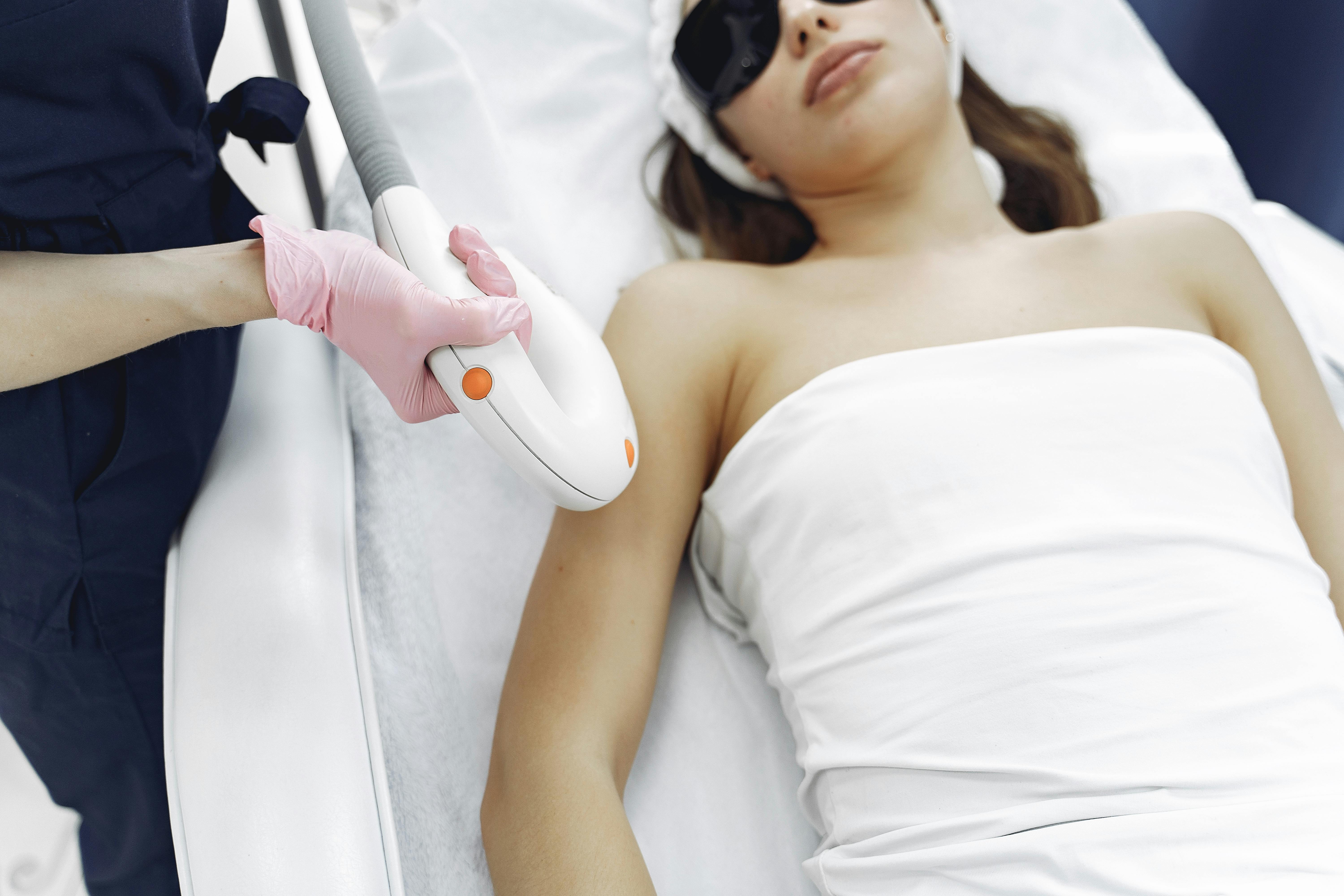
Laser treatments use concentrated light energy to target specific layers of the skin. Different types of lasers are designed to treat different concerns, making professional assessment essential for achieving safe and effective results.
Depending on the treatment selected, laser can help to:
Stimulate collagen production
Reduce pigmentation and sun damage
Improve acne scarring and uneven texture
Tighten and rejuvenate the skin
Minimise fine lines and enlarged pores
Treat redness and visible blood vessels
The goal of laser treatment is to encourage healthier, smoother, and clearer-looking skin over time.
Who Is a Good Candidate for Laser Treatments?
Laser treatments may be suitable for individuals who:
Experience acne scarring or uneven skin texture
Have pigmentation, sun spots, or dull skin
Want to address fine lines and early signs of ageing
Struggle with enlarged pores or skin congestion
Are seeking non-surgical skin rejuvenation
While laser treatments can be highly effective, they are not suitable for everyone. Certain skin conditions, active infections, medications, or highly sensitive skin may require alternative treatments or additional preparation beforehand.
A professional skin consultation helps determine the safest and most appropriate treatment plan for your skin.
Benefits of Laser Treatments
One of the biggest advantages of laser technology is its ability to precisely target concerns while supporting overall skin renewal.
Some of the most common benefits include:
Improved Skin Clarity
Laser treatments can help reduce pigmentation, redness, and uneven tone for a brighter and more even complexion.
Collagen Stimulation
Many laser procedures encourage collagen production, helping improve firmness, elasticity, and skin texture over time.
Minimal Downtime
Depending on the laser used, many treatments involve little to moderate downtime, allowing clients to return to daily activities relatively quickly.
Customised Treatment Plans
Laser treatments can be tailored to individual skin concerns, goals, and skin types for a more personalised approach.
Results often continue improving over several weeks as the skin naturally repairs and regenerates.
What to Expect During Treatment
Most laser sessions are relatively quick and typically take between 20 to 45 minutes, depending on the treatment area and type of laser being used.
During treatment, you may experience:
Mild warmth or tingling sensations
Temporary redness or sensitivity afterward
Light peeling or dryness in some cases
Your clinician will provide detailed aftercare instructions, which usually include gentle skincare, hydration, and strict sun protection to support healing and protect the skin.
Are There Any Risks?
When performed by qualified professionals, laser treatments are generally considered safe and effective. However, as with any skin treatment, temporary side effects may occur.
These can include:
Redness
Mild swelling
Sensitivity
Temporary irritation
Following proper aftercare instructions and avoiding excessive sun exposure significantly reduces the likelihood of complications.
Read tips, insights, and stories.